Dubai summers push past 45°C, and water is not free. Every villa owner with a garden faces the same question sooner or later: how do you keep a green, attractive outdoor space without a water bill that climbs every month? Drought tolerant plants are the answer. These are species that survive, and often thrive, on minimal irrigation once established, because they store water efficiently, grow deep roots, or reduce water loss through smaller or waxy leaves. DEWA’s water conservation guidance confirms that garden irrigation accounts for a significant share of household water use in Dubai and that drip systems and mulching are among the most effective ways to reduce it.
This matters more in Dubai than almost anywhere else. The combination of intense heat, low rainfall, and municipal water costs makes a water-wise garden a practical decision, not just an aesthetic one. This guide covers ten drought tolerant plants that perform well in UAE conditions, how to match them to sun or shade, what establishment and care actually involve, realistic cost ranges in AED, and the mistakes that cause most drought tolerant gardens to fail in their first year.
Key Takeaways
- Bougainvillea, agave, lantana, and the native ghaf tree are among the most reliable drought tolerant plants for Dubai’s climate.
- Full sun and shade areas need different plant choices; a plant suited to open desert exposure is not always suited to a shaded courtyard.
- Drought tolerant does not mean no water. Every plant needs regular watering during a 6 to 12 week establishment period before roots mature.
- A professionally installed low water garden in Dubai typically costs AED 15 to 60 per square meter for planting, with drip irrigation adding to that figure.
- Many plants marketed as “drought tolerant” online, such as lavender, sedum, and coneflower, struggle in Dubai’s extreme summer heat and are not reliable choices here.
What Are the Best Drought Tolerant Plants for Dubai Gardens?
The best drought tolerant plants for Dubai combine two traits: they tolerate temperatures above 45°C, and they need little water once their root system is established. Below are ten plants that meet both conditions and are commonly used in villa landscaping across the emirate.
1. Bougainvillea
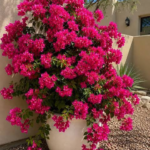
Bougainvillea is one of the most widely planted drought tolerant flowers in the UAE, and for good reason. It produces bright pink, purple, orange, or white blooms almost year-round, tolerates full sun without complaint, and needs infrequent watering once established. It works well as a wall climber, a hedge, or a container feature.
2. Agave
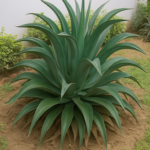
Agave is a succulent with thick, water-storing leaves arranged in a rosette. Varieties such as Agave americana and Agave attenuata handle Dubai’s heat and poor soil with ease. Agave needs almost no irrigation beyond occasional deep watering and is a strong structural choice for a xeriscape design.
3. Lantana
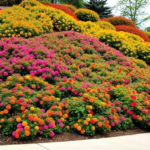
Lantana camara is a low, spreading shrub that flowers continuously in shades of yellow, orange, and pink. It is heat tolerant, drought resistant, and popular with pollinators, making it a good pollinator friendly drought tolerant flower for borders and ground cover.
4. Rosemary
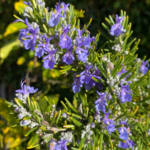
Rosemary is a Mediterranean herb that adapts well to Dubai’s dry heat, provided it has well-drained soil. Beyond its culinary use, it works as a low, aromatic hedge or border plant and needs minimal water once its roots are established.
5. Ghaf Tree (Prosopis cineraria)
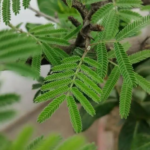
The ghaf tree is the UAE’s national tree and arguably the most drought tolerant tree available locally. It has an exceptionally deep root system that reaches groundwater far below the surface, which is why it survives in the open desert with no irrigation at all. For villa gardens, it provides shade and a genuinely native landscape element.
6. Yucca
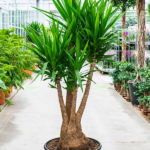
Yucca is a stiff-leaved, architectural plant that tolerates full sun, poor soil, and long gaps between watering. It adds vertical structure to a garden bed and requires very little ongoing maintenance.
7. Ice Plant (Delosperma)
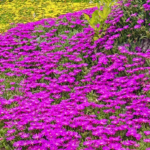
Ice plant is a low, mat-forming succulent ground cover with bright daisy-like flowers. It spreads quickly, tolerates heat and drought well, and is a practical drought tolerant ground cover for filling bare soil between larger plants or along pathways.
8. Fountain Grass (Pennisetum)
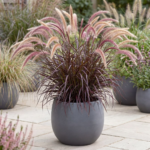
Ornamental grasses such as fountain grass add movement and texture to a garden while asking for very little water. Fountain grass tolerates full sun and heat, and its feathery plumes provide visual interest that most flowering plants cannot match through summer.
9. Vitex (Lilac Chaste Tree)
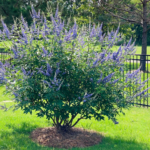
Vitex is a drought tolerant shrub or small tree with purple flower spikes that attract bees and butterflies. It tolerates Dubai’s heat once established and works well as a specimen plant or informal screen.
10. Euphorbia (Crown of Thorns)
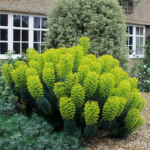
Euphorbia milii, commonly called crown of thorns, is a spiny succulent shrub that flowers in red, pink, or yellow. It is highly drought resistant and tolerates the full intensity of Dubai’s summer sun, making it a dependable low maintenance drought tolerant plant for exposed positions.
A note on plants you may see recommended elsewhere: lavender, sedum, yarrow, Russian sage, coneflower (echinacea), catmint, and blanket flower appear on almost every generic “drought tolerant plants” list online. These are genuinely drought tolerant perennials in temperate climates and correspond to USDA hardiness zones common in Europe and North America. In our experience managing landscaping projects across Dubai, most of them struggle badly once summer temperatures pass 40°C, even with adequate watering. If you have seen these plants suggested for a Dubai garden, treat that advice with caution and favor the heat-proven options listed above instead.
Drought Tolerant Plants for Full Sun vs. Shade
Not every drought tolerant plant performs the same way in every part of a garden. A plant bred for open desert exposure is not automatically the right choice for a shaded courtyard, and the reverse is also true.
| Growing Condition | Recommended Plants | Notes |
| Full Sun | Bougainvillea, agave, yucca, euphorbia, fountain grass | These plants need at least 6 hours of direct sun daily and tolerate reflected heat from walls or paving. |
| Partial Shade | Rosemary, lantana, ice plant | These tolerate some direct sun but perform better with afternoon shade in peak summer. |
| Full Shade | Ghaf tree (as a mature canopy), vitex (in its early years) | True full-shade drought tolerant options are limited; most drought tolerant species need meaningful sun exposure to thrive. |
The key distinction is exposure to reflected heat, not just direct sunlight. A wall-facing bed in Dubai can run several degrees hotter than an open lawn area, which affects even plants rated for full sun. When designing a shaded courtyard, it is worth combining drought tolerant plants with a pergola or shade structure rather than relying on shade-loving species alone, since options are limited.
How Do You Establish Drought Tolerant Plants in Dubai’s Climate?
Drought tolerant plants need regular watering for the first 6 to 12 weeks after planting, even though they need little water once mature. This establishment period allows the root system to develop deep enough to access moisture on its own; skipping it is the most common reason a drought tolerant garden fails. DEWA’s water management guidance notes that gardens do not need daily watering and that mulching helps plants retain moisture both principles that apply directly during this establishment phase.
- Prepare well-drained soil. Dubai’s native soil is sandy and often compacted from construction. Mixing in organic compost improves drainage and gives roots room to spread.
- Plant during cooler months. October through March gives new plants a chance to establish before summer heat arrives, reducing water stress during the most vulnerable period.
- Water deeply, not frequently. During establishment, water deeply two to three times per week rather than shallow daily watering, which encourages roots to grow downward instead of staying near the surface.
- Install drip irrigation. A drip irrigation system delivers water directly to the root zone with minimal evaporation loss, which matters in a climate where surface water disappears within minutes. DEWA recommends drip irrigation as one of the most effective ways to reduce garden water use in Dubai.
- Apply mulch. A layer of mulch around the base of each plant reduces soil temperature, slows evaporation, and cuts down on weed competition. DEWA’s water management guidance specifically notes that organic mulch helps plants retain moisture between watering cycles.
- Reduce watering gradually after establishment. Once roots are established, taper watering frequency down over several weeks rather than stopping abruptly.
Do drought tolerant plants need to be watered? Yes, especially in the first few months. The label describes long-term water requirements once a plant is mature, not an exemption from care at any stage.
What Does a Drought Tolerant Garden Cost in Dubai?
The figures below are general estimates based on typical villa landscaping projects in Dubai. Actual costs vary by plot size, plant selection, soil condition, and site access, so treat these as a starting point rather than a fixed quote.
| Item | Estimated Cost (AED) | Notes |
| Plant material and planting labor | 15–60 per sqm | Varies by plant size and density |
| Drip irrigation system | 20–45 per sqm | Includes piping, emitters, and timer |
| Soil preparation and mulching | 10–25 per sqm | Depends on existing soil condition |
| Full villa garden conversion (small plot) | 8,000–25,000 total | Typical for a modest front or side garden |
| Full villa garden conversion (large plot) | 30,000–90,000+ total | For larger plots with mixed hardscaping and planting |
Timeline for a typical villa-scale project runs 1 to 3 weeks from design approval to planting completion, depending on plot size and whether hardscaping or irrigation infrastructure needs to be installed alongside the plants. Larger or more complex layouts, particularly those requiring community or Dubai Municipality NOC approval for structural changes, can extend this timeline.
If your project sits within a managed community such as Arabian Ranches, Tilal Al Ghaf, or Emirates Living, check whether landscaping changes require developer approval before work begins. Requirements differ by community; confirm current rules with your homeowners’ association before finalizing a design. For Dubai-wide landscaping regulations, Dubai Municipality’s greenery and plantation guidelines provide a useful reference point.
If you are also considering shade structures or seating areas alongside your planting, our pergola design services team can incorporate that into the same project.
Common Mistakes to Avoid With Drought Tolerant Plants
- Overwatering established plants. Once roots mature, continuing a daily watering schedule can cause root rot in succulents like agave and euphorbia. Reduce frequency once establishment is complete. DEWA’s water management guidance confirms that gardens do not need daily watering even in Dubai’s climate.
- Choosing plants from non-UAE sources without checking heat tolerance. A plant labeled “drought tolerant” in a UK or US gardening guide is not automatically suited to 45°C summers.
- Skipping soil preparation. Planting directly into compacted or poor-quality soil without amendment limits root development regardless of how drought tolerant the species is.
- Ignoring the establishment period. Assuming a new drought tolerant plant needs no water from day one is the single most common cause of early plant failure.
- Poor irrigation zoning. Mixing high-water plants (like turf) and drought tolerant plants on the same irrigation zone means one group is always over- or under-watered.
- No mulch layer. Bare soil around drought tolerant plants loses moisture faster and reaches higher surface temperatures, stressing roots unnecessarily. DEWA recommends spreading organic mulch around plants specifically to help retain moisture between watering cycles.
Frequently Asked Questions
What are the best drought tolerant plants for a Dubai garden?
Bougainvillea, agave, lantana, rosemary, and the native ghaf tree are among the most reliable choices. Each tolerates Dubai’s extreme summer heat and needs minimal water once established.
Which plants need very little water once established?
Succulents such as agave, euphorbia, and ice plant need the least water once mature, since they store moisture in their leaves. Deep-rooted species like the ghaf tree also need very little supplemental irrigation.
What is the most drought tolerant flowering plant for Dubai?
Bougainvillea is generally considered the most drought tolerant flowering plant for Dubai gardens, given its tolerance for heat, poor soil, and infrequent watering combined with near-continuous blooming.
What plants stay green without much water?
Agave, yucca, and rosemary retain their color through summer with minimal watering. Ornamental grasses like fountain grass also stay visually appealing with reduced irrigation compared to lawn turf.
Do drought tolerant plants need to be watered?
Yes. Every drought tolerant plant needs regular watering during its first 6 to 12 weeks in the ground. Reduced water needs apply only after the root system has matured.
How long does it take for drought tolerant plants to establish?
Most drought tolerant plants take 6 to 12 weeks to establish a root system capable of supporting reduced watering. Larger shrubs and trees, such as the ghaf tree, can take several months longer.
What is the difference between drought tolerant and drought resistant?
Drought tolerant plants survive water shortage but may show stress, such as slower growth or leaf drop, during extended dry periods. Drought resistant plants actively avoid water loss through physical adaptations, such as waxy leaves or deep roots, and typically show less visible stress. In practice, the two terms are often used interchangeably in gardening guides.
What plants can survive full sun and no water?
Agave, yucca, and euphorbia can survive extended periods with no supplemental water once fully established, relying on stored moisture and deep root systems. This does not apply during the initial establishment period, when all plants need regular watering
What are drought tolerant plants for shade?
True full-shade drought tolerant plants are limited. Rosemary and lantana tolerate partial shade reasonably well, while a mature ghaf tree canopy can support shade-tolerant ground cover beneath it.
What is xeriscaping and how do I start?
Xeriscaping is a landscaping approach designed to minimize or eliminate the need for irrigation, using drought tolerant plants, efficient watering systems, and materials like mulch or gravel instead of thirsty lawn areas. Start by grouping plants with similar water needs, choosing heat-tolerant species suited to your specific sun exposure, and installing drip irrigation rather than sprinklers
Can drought tolerant plants grow in pots?
Yes. Agave, euphorbia, and lantana all grow well in containers, provided the pot has good drainage and the soil mix is suited to succulents where relevant. Container plants dry out faster than ground-planted ones, so they may need slightly more frequent watering despite being drought tolerant species.
What drought tolerant plants attract pollinators?
Lantana and vitex are both pollinator friendly, attracting bees and butterflies with their flowers. Bougainvillea also draws some pollinator activity, though its appeal is generally more visual than nectar-based.
Building a Water-Wise Garden That Lasts
A drought tolerant garden in Dubai is not about giving up color or structure. It is about choosing plants suited to the climate you actually have, rather than one found in a generic gardening guide written for a different part of the world. Bougainvillea, agave, the ghaf tree, and the other species covered here give you a garden that stays green and attractive through summer heat, without an irrigation bill that grows every year.
Khawar Hanif Contracting LLC has handled Villa Renovation, interior design & fitout, swimming pool construction, landscaping and irrigation design for villa owners across Dubai for more than 14 years, including communities such as The Villa, Arabian Ranches, Tilal Al Ghaf, Meadows, Dubai South and Emaar South. If you are planning a garden upgrade, our team can assess your soil, sun exposure, and layout during a free site visit and recommend a plant selection that will hold up through a Dubai summer. Contact us to get started.